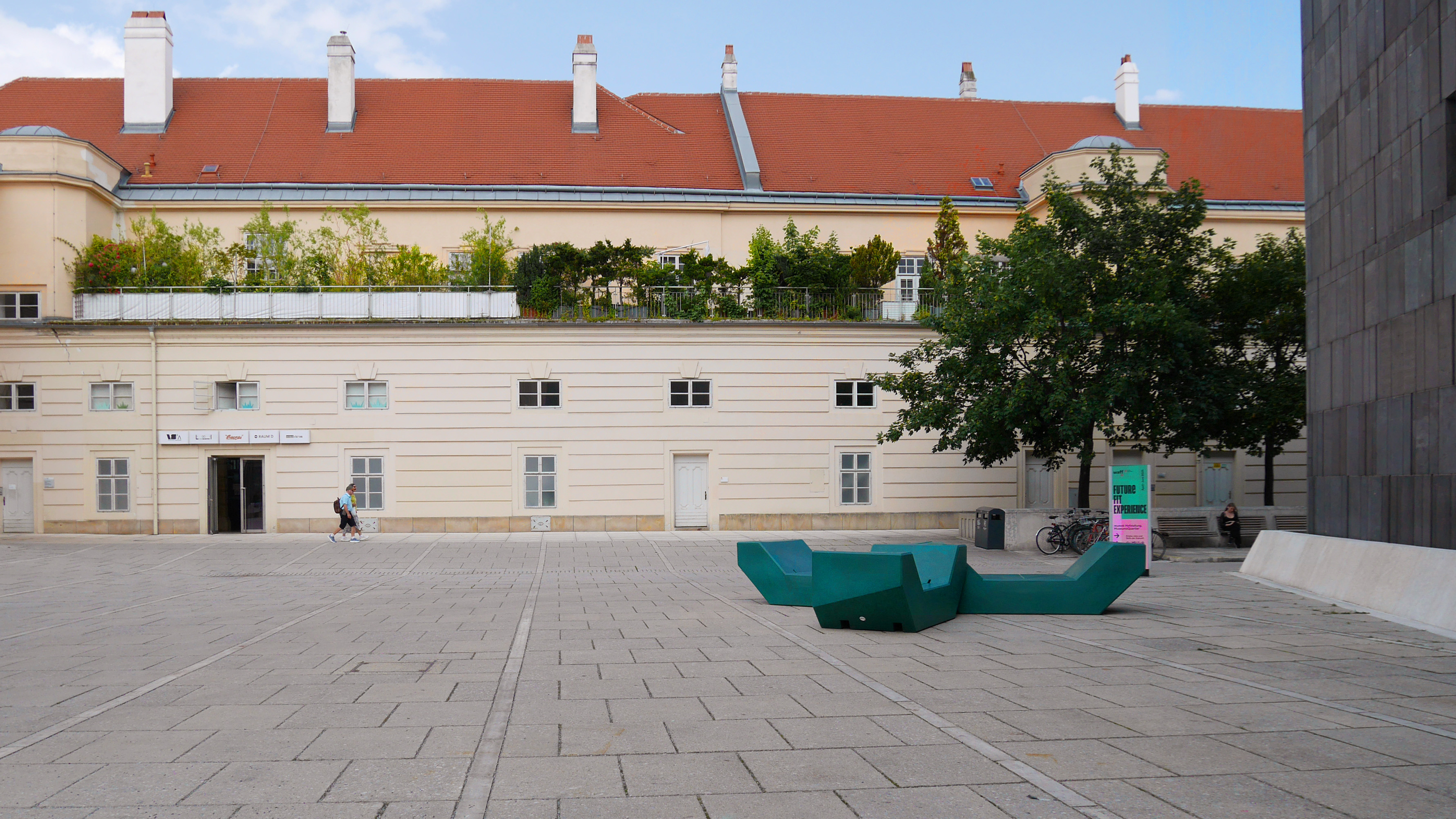

DIVERSITY
CREATES
DIVERSITY

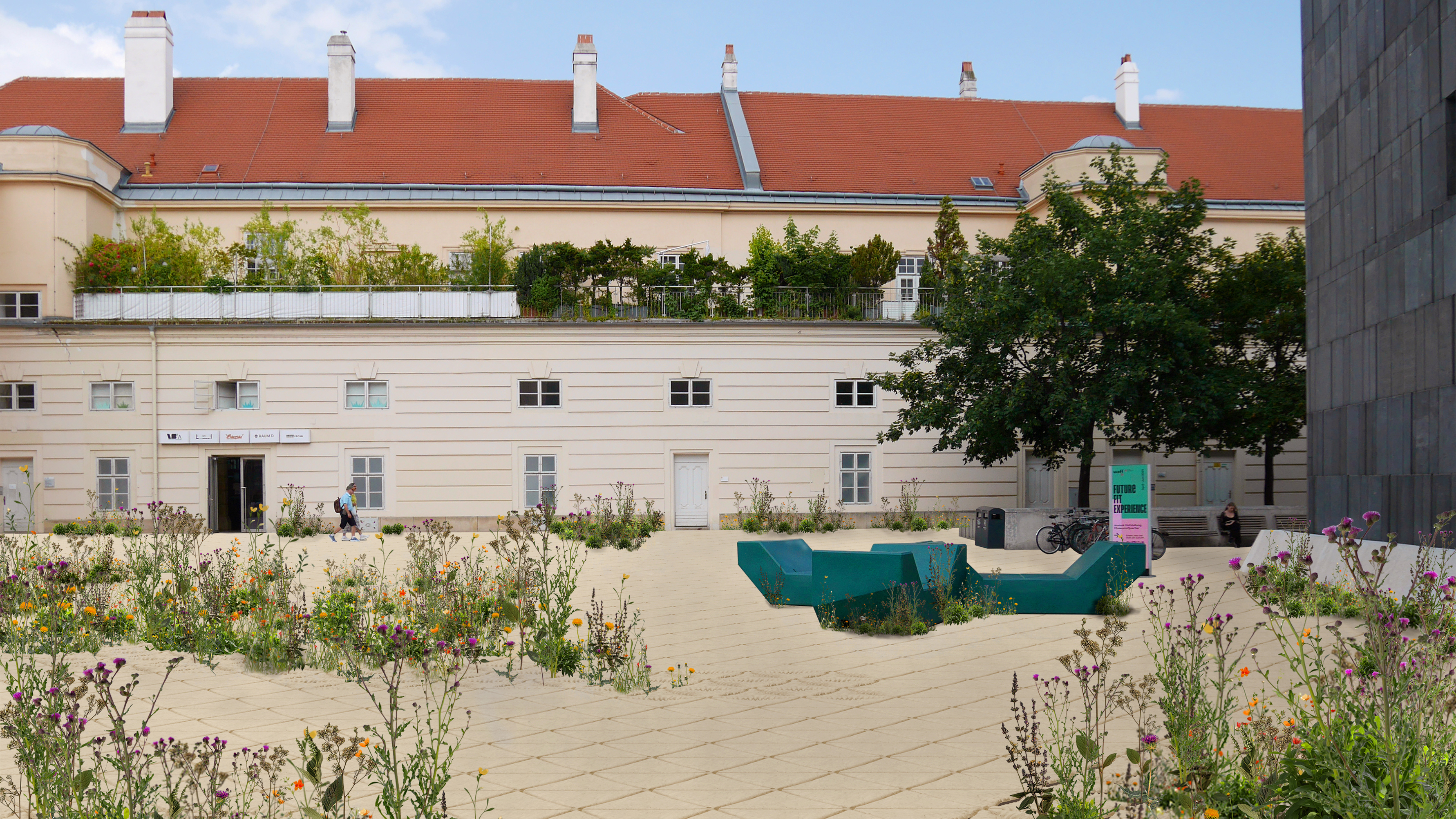
Rendering by
Vít Kučerovský
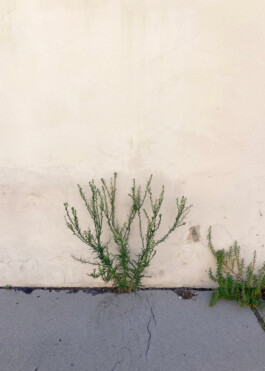
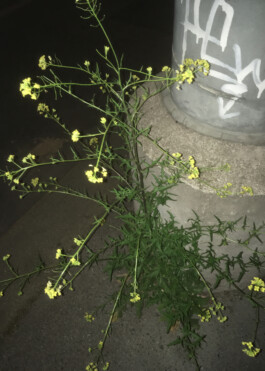
Pavement joints and cracks in asphalt are underrated urban habitats. Thanks to their unique microclimate, they provide unobvious yet essential biotopes for numerous plant species in urban areas, including endangered species on the Red List that depend on dry and nutrient-poor sites.
The vegetation found there is known as spontaneous urban vegetation/flora. It provides food and habitat for countlessinsects and thus contributes significantly to urban biodiversity. It also reduces the warming of sealed surfaces and acts as a bridging biotope to counteract habitat fragmentation.
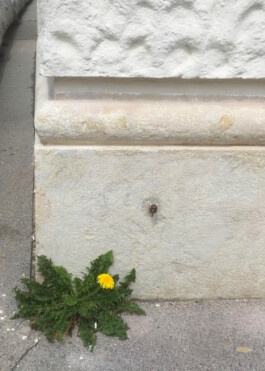
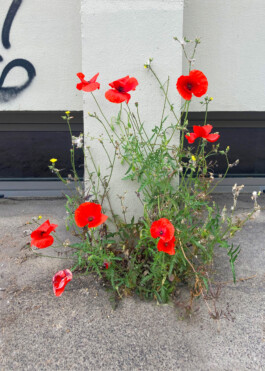
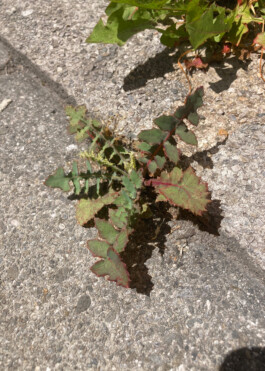
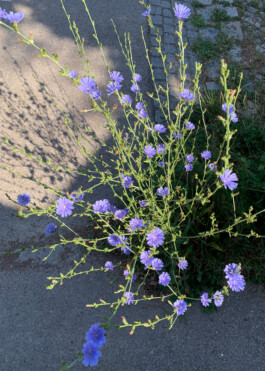
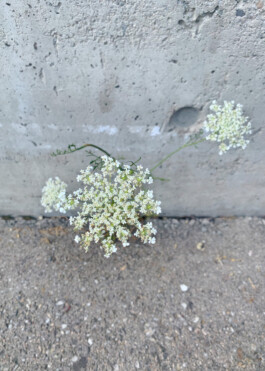
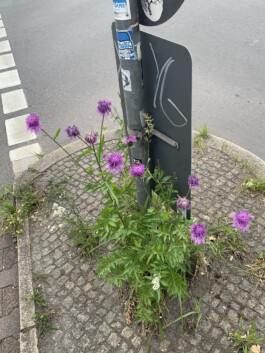
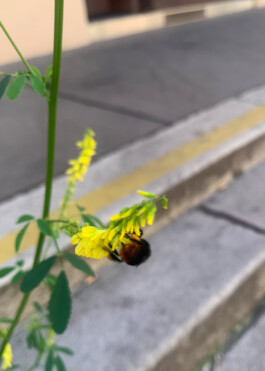
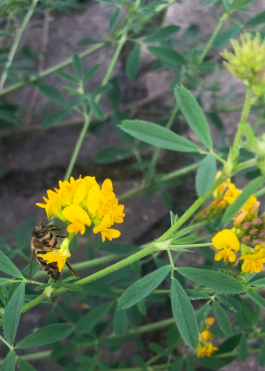
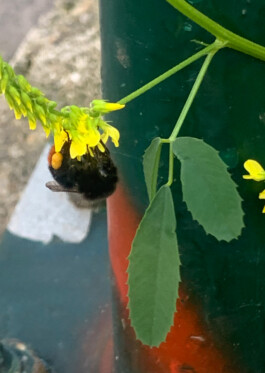
Spontaneous urban vegetation is often perceived as a sign of neglect, despite its ecological value. Diver-
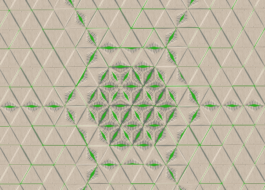
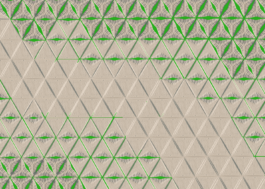
sity Creates Diversity challenges this perception by exploring how design can create space for wild vegetation within the structured urban landscape. The project investigates how the paving joint can become both an ecological habitat and a design element, bringing together the seemingly contradictory ideas of urban order and uncontrolled natural growth.


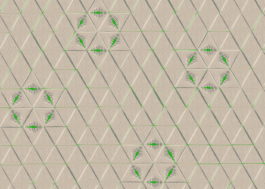
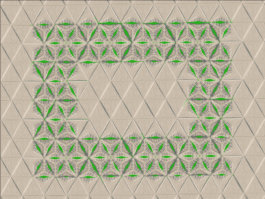
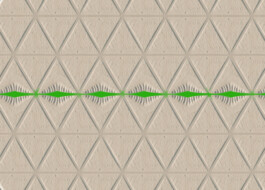
The result of this research is a modular paving stone system consisting of
three types of stone, in which the paving joint plays a central role. On the
one hand, it creates ecologically valuable structures and microhabitats; on
the other, it is understood as a design element.Three different types of stone
allow for the targeted arrangement of areas in which otherwise uncontrolled
wild vegetation can thrive within a planned framework.

The common basic shape of the equilateral triangle enables flexible adaptation
of the paving to various on-site requirements. Wild vegetation becomes visible
and acceptable through a thoughtfully designed paving system. It opens up new
possibilities for greening open spaces and can be integrated into urban planning
processes as a design tool for promoting biodiversity in cities




Surface de-sealing is one of the most important climate adaptation strategies
for cities. As the total de-sealing of urban areas is not always possible, partial
de-sealing is becoming increasingly important. In particular, already vegetated
road verges, niches, or unused corners hold great, hitherto underestimated po-
tential for alternative design options to promote urban biodiversity.
BIO-
RECEPTIVITY

The stones have been designed to be bioreceptive. This means that their shape, their surface structure, and clay, as a pH-neutral material, have been selected and designed to provide microorganisms with optimal conditions for colonisation, which in turn creates a suitable environment in which higher plants can thrive and spread. The rough, chamotte-enhanced surface and the grooved indentations encourage the adherence of seeds and spores, which are dispersed by wind and pedestrian traffic in urban areas and even beyond national borders. At the same time, the indentations provide a protected environment in which microorganisms can colonise. A slight slope in the grooves ensures continuous drainage to prevent water logging and algae formation.
High-fired clay, also known as clinker, was chosen for its high load-bearing capacity and weather resistance compared to concrete paving stones. Its light colour reduces solar heat absorption, while clay offers better conditions for biological growth than highly alkaline materials. The high chamotte content creates a rough, slip-resistant surface suitable for public spaces. In an unbound paving system, the stones can be removed and reused without further processing. Clay can also be sourced locally and potentially obtained from suitable excavated material, reducing the need for long transport routes.